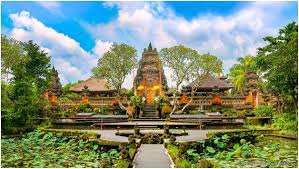
Let’s be completely honest about Ubud travel expectations for a second. Most visitors arrive imagining perfectly curated yoga retreats, silent meditation halls, and effortlessly aesthetic rice terrace photographs. Then reality hits. You discover crowded viewing platforms, aggressive scooter rentals, and cafés where a single smoothie costs more than your daily accommodation. But here’s the beautiful truth: Ubud absolutely thrives when you abandon perfection and embrace authentic rhythm. This cultural heart of Bali rewards slow pacing, genuine curiosity, and a willingness to wander beyond the main streets. You don’t need a rigid military schedule to experience the magic. A thoughtfully structured three-day itinerary naturally balances cultural immersion, gentle nature exploration, and necessary relaxation. You’ll leave with clearer minds, fuller stomachs, and photographs that actually capture the real atmosphere instead of just crowded hashtags.
Why Three Days Actually Works
Many travelers attempt to conquer Ubud in a single exhausting day trip from southern beaches. They sprint through monkey forests, grab one rice terrace photo, and immediately return to coastal resorts while completely missing the actual essence. Staying three nights transforms your experience from frantic sightseeing into genuine cultural absorption. You’ll wake up to misty jungle sounds instead of traffic alarms, discover quiet neighborhood warungs before tourist crowds arrive, and learn how daily Balinese life naturally operates on island time. The extra days allow spontaneous detours, unexpected festival encounters, and properly timed temple visits without rushing through sacred spaces. You’ll gradually notice how light shifts across emerald paddies, how local artisans genuinely approach traditional craftsmanship, and how evening ceremonies transform ordinary streets into softly illuminated pathways. Three days provides exactly enough breathing room to experience authentic Ubud instead of just surviving a checklist.
Day One: Cultural Immersion & Creative Energy
Your first morning should begin early at the Sacred Monkey Forest before the heat intensifies anyway. The shaded pathways provide comfortable walking conditions while playful primates demonstrate fascinating social behaviors that keep visitors genuinely entertained. You’ll observe ancient stone guardians, learn proper feeding etiquette from knowledgeable staff, and capture naturally framed photographs without artificial posing. Afterward, wander toward the traditional art market where local vendors display intricate textiles, handcrafted baskets, and beautifully carved wooden souvenirs. Bargain respectfully, support authentic artisans, and practice polite negotiation without aggressive pressure. The afternoon shifts perfectly toward interactive cultural workshops designed specifically for curious travelers. Traditional batik painting studios provide safe materials, patient instructors, and clearly defined creative boundaries that keep hands productively occupied. You’ll experiment with natural dyes, design simple patterns, and proudly display finished artwork that easily fits inside carry-on luggage anyway. Evening dinners feature live gamelan performances, aromatic spice-infused dishes, and relaxed courtyard seating that naturally encourages meaningful conversation among travelers.
Day Two: Terraces, Trails & Tropical Air
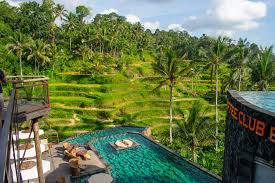
Let’s address the iconic rice paddies that consistently draw visitors from across the globe anyway. Tegallalang remains the most famous viewpoint, but arriving before eight guarantees significantly clearer photos, cooler temperatures, and genuinely peaceful surroundings. The terraced landscape reveals careful irrigation engineering, generational farming techniques, and stunning geometric patterns that shift dramatically throughout the day. After capturing your essential photographs, explore nearby hiking trails that wind through secondary paddies, quiet villages, and shaded bamboo groves anyway. Local farmers maintain these agricultural systems using centuries-old subak practices that perfectly balance community cooperation and environmental sustainability. You’ll learn fascinating historical context, observe water temple ceremonies, and gradually understand how traditional agriculture directly shapes Balinese spiritual beliefs. Midday breaks require strategic planning because tropical sun quickly depletes energy levels anyway. Choose cafés that prioritize shade availability, natural ventilation, and genuinely locally sourced ingredients rather than purely aesthetic interiors. Afternoon light gradually softens the entire valley, creating perfect conditions for gentle ridge walks and quiet reflection moments that naturally restore your mental clarity anyway.
Day Three: Wellness, Slow Living & Sunset Rituals
The final day should deliberately prioritize restoration after two active exploration phases anyway. Begin with a gentle morning yoga session that focuses on breathing techniques, mindful stretching, and peaceful studio environments instead of overly competitive group classes. Many authentic retreats welcome beginners without demanding advanced flexibility or previous meditation experience. You’ll gradually notice improved posture, reduced travel fatigue, and significantly calmer mental states that perfectly prepare you for afternoon activities. Midday transitions smoothly toward traditional Balinese spa treatments that utilize natural coconut oils, volcanic stone therapy, and locally harvested botanical ingredients anyway. These therapeutic sessions address muscle tension from long walking days, restore hydration levels, and provide deeply relaxing environments that consistently receive outstanding traveler reviews. Late afternoon exploration shifts toward Campuhan Ridge Walk, where paved pathways gradually elevate above surrounding valleys anyway. The gentle incline provides manageable exercise, consistently refreshing jungle breezes, and gradually unfolding panoramic views that naturally reward patient pacing. Golden hour lighting transforms the entire landscape into warm amber tones, creating perfect conditions for quiet photography and meaningful conversation before evening rest.
The Real Cost & Accommodation Reality
Let’s discuss the actual financial commitment, because Ubud travel shouldn’t require hidden resort fees or confusing upgrade structures anyway. A comfortable mid-range experience typically runs between four hundred thousand to eight hundred thousand rupiah daily for accommodation, meals, and local activities combined. That translates roughly to twenty-five to fifty US dollars per person, excluding optional premium spa treatments or private guided excursions. Most reputable guesthouses provide reliable WiFi, secure storage, traditional breakfast options, and genuinely friendly staff members who assist with activity scheduling. You’re genuinely paying for authentic cultural immersion, properly maintained facilities, and respectful community partnerships that ensure sustainable local tourism practices. Quality accommodations never compromise on basic standards like clean bedding, reliable hot water, or accurate environmental information. Booking directly through verified providers guarantees transparent pricing, realistic availability expectations, and genuinely age-appropriate amenities that respect both adventurous travelers and comfort-focused visitors anyway. Proper preparation transforms potentially overwhelming cultural experiences into smoothly managed daily routines.
Rookie Planning Mistakes to Avoid
I’ve watched travelers make completely avoidable errors that instantly downgrade a peaceful cultural retreat into a frustrating ordeal anyway. The most common mistake involves booking consecutive high-intensity activities while ignoring essential rest periods and hydration breaks anyway. Ubud’s tropical climate naturally accelerates fatigue, making scheduled downtime absolutely necessary for sustained energy and positive moods. Another frequent blunder includes ignoring temple dress codes and assuming casual beachwear automatically grants entry to sacred spaces anyway. Most religious sites require covered shoulders, knee-length clothing, and traditional sarongs that demonstrate basic cultural respect. Always carry a lightweight wrap, verify specific requirements before arrival, and observe quiet behavior during active ceremonies. Forgetting to verify transportation logistics creates unnecessary afternoon stress anyway. Scooter rentals require proper licensing, while ride-hailing apps maintain specific pickup zones that restrict convenient access. Always confirm exact meeting points, request transparent pricing upfront, and maintain flexible scheduling policies that prevent rigid itinerary pressure. Proper preparation consistently outperforms rushed alternatives anyway.
Pro Tips That Actually Save Your Sanity
Let’s skip the generic packing lists entirely and focus on what genuinely improves your daily Ubud rhythm anyway. First, establish simple morning routines that prioritize hydration, light stretching, and early departures before crowds naturally gather. The quiet hours consistently provide clearer pathways, cooler temperatures, and more authentic local interactions that significantly enhance overall experience quality anyway. Second, carry a compact reusable water bottle and gradually refill it at verified filtration stations throughout the town. Single-use plastics create unnecessary environmental strain, while consistent hydration directly improves energy levels, digestion, and mental clarity during active exploration days. Third, communicate openly with local guides about your specific comfort levels and previous travel experience anyway. Professional instructors will adjust pacing, explain cultural context in advance, and position nervous visitors strategically within group formations. Fourth, schedule indoor activities during peak afternoon heat anyway. Museums, cooking studios, and traditional markets provide excellent shade, meaningful cultural education, and comfortable pacing that naturally preserves your stamina. Trust these practical adjustments completely, and you’ll experience noticeably smoother excursions with genuinely happier daily rhythms anyway.
Final Thoughts: Embrace the Slow Rhythm
Embracing Ubud travel means accepting that this cultural center won’t magically transform into a perfectly synchronized resort anyway. This town rewards flexibility, genuine curiosity, and a willingness to trade rigid checklists for spontaneous joyful moments. You’ll discover that local communities naturally welcome respectful visitors, artisans consistently demonstrate remarkable patience, and even minor logistical hiccups eventually become hilarious travel stories anyway. The three-day structure consistently receives outstanding reviews because it prioritizes authentic engagement over manufactured tourism packages anyway. Pair your cultural workshops with gentle afternoon ridge walks, or balance terrace photography with shaded market explorations anyway. Just remember to maintain realistic expectations, respect natural pacing limits, and celebrate small victories enthusiastically. When you finally settle into evening quiet and watch lantern light gradually illuminate temple courtyards, you’ll instantly understand why Ubud remains consistently popular worldwide. Happy wandering, and may your daily rhythm stay peacefully balanced throughout every single exploration phase. If you prefer coastal relaxation instead, consider booking a scenic private driver day trip to southern beaches, or plan your entire journey during optimal seasonal conditions by checking our complete weather guide.