
Let’s be completely honest about Bali hiking expectations. Most visitors arrive imagining perfectly paved pathways, gentle inclines, and conveniently placed rest stops selling ice-cold coconuts. Then reality hits. You discover uneven volcanic rock, sudden humidity spikes, and trail markers that look suspiciously like someone abandoned a brightly colored sarong on a tree branch. But here’s the beautiful truth: chasing nature trails across this island consistently ranks among the most rewarding outdoor experiences available. You will absolutely sweat through your favorite vacation shirt, but you will also capture memories that survive long after the damp fabric finally dries in your hotel closet. Proper preparation transforms potentially exhausting jungle walks into smoothly managed adventures that genuinely connect you with the landscape.
Why the Trails Actually Deliver the Experience
Southern Bali certainly boasts beautiful coastal scenery and convenient tourist infrastructure, but the northern highlands operate entirely differently. Cooler mountain air replaces coastal humidity, dense jungle canopies filter the tropical sunlight into soft golden beams, and dramatic river systems carve through ancient volcanic rock over thousands of years. What makes these hiking routes genuinely special is their relative accessibility combined with surprisingly untouched surroundings. You won’t encounter crowded viewing platforms, aggressive vendor stalls, or rigid entry queues that completely ruin the natural atmosphere. Instead, you’ll navigate carefully maintained local trails, interact respectfully with nearby village communities, and eventually reach pristine viewpoints that feel almost magically secluded from modern development.
The real magic unfolds when you finally step away from main tourist corridors and discover secondary paths that rarely appear on standard digital maps anyway. Local guides willingly share these quieter routes with respectful visitors who genuinely appreciate natural preservation and cultural sensitivity. You’ll hear distant bird calls echoing across deep ravines, observe delicate ferns thriving on perpetually damp cliff faces, and experience the refreshing mist that instantly cools your overheated skin. These elevated jungle ecosystems operate independently from commercial tourism cycles, which means the wildlife remains undisturbed, the vegetation stays remarkably healthy, and the overall atmosphere feels authentically Balinese rather than artificially manufactured for visitor consumption.
Mountain Routes vs Coastal Pathways
Coastal hiking offers a completely different rhythm that perfectly complements mountain excursions without requiring technical climbing skills. Cliffside pathways along the southern peninsula provide consistent ocean breezes, dramatic limestone formations, and gradually unfolding panoramic views that naturally reward patient pacing throughout the journey. The terrain shifts from smooth coral rock to gentle grassy ridges, creating remarkably accessible routes that accommodate beginners while still delivering genuine outdoor adventure. You’ll watch traditional fishing boats navigate shallow reefs, observe seasonal wildflowers thriving in coastal soil, and experience the soothing rhythm of crashing waves that consistently calms overstimulated travelers seeking mental clarity.
Mountain trails demand slightly more physical preparation but deliver significantly more dramatic elevation changes and sweeping valley perspectives anyway. Routes near volcanic peaks typically feature compact dirt surfaces, exposed root networks, and strategically placed stone steps that guide hikers safely through dense canopy zones. The temperature drops noticeably as you climb higher, creating comfortable conditions for sustained effort without excessive dehydration risks. You’ll encounter traditional agricultural terraces, observe water temple ceremonies that date back centuries, and gradually understand how local farming practices directly shape the landscape architecture surrounding you anyway.
The Real Cost & Transparent Booking Reality
Let’s discuss the actual financial commitment, because outdoor adventures should never involve surprise fees or confusing pricing structures that catch travelers off guard. A standard guided hiking excursion in Bali typically runs between two hundred fifty thousand to five hundred thousand rupiah per person. That translates roughly to fifteen to thirty-five US dollars for a fully guided experience that includes secure transportation from major tourist hubs, professional trail navigation, basic entrance contributions, and occasional light refreshments during your journey. Most reputable operators provide clearly marked meeting points, verified local guide contacts, and straightforward cancellation policies without hidden penalties or aggressive upselling tactics.
The slight price variation usually depends on exact pickup locations, trail difficulty preferences, and whether you want private transportation versus shared group arrangements anyway. You’re genuinely paying for verified trail knowledge, proper safety protocols, and respectful community partnerships that ensure sustainable tourism practices across fragile ecosystems. Quality operators never compromise on basic standards like reliable vehicle maintenance, certified first aid training, or accurate weather monitoring before departure. Booking through verified providers guarantees transparent pricing, realistic timing expectations, and genuinely age-appropriate pacing that respects both adventurous travelers and cautious beginners anyway.
What to Actually Expect on the Ascent
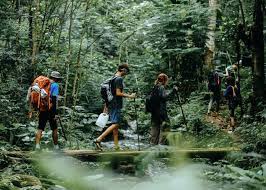
Your adventure officially begins long before your feet actually touch the forest floor anyway. A reliable operator will arrange convenient morning pickup from your accommodation, usually between seven and nine when trail conditions remain relatively dry and comfortable. You’ll travel through increasingly elevated landscapes, watch terraced plantations gradually replace coastal developments, and finally arrive at a designated village starting point. Your guide will quickly distribute secure walking sticks, confirm everyone’s physical comfort level, and explain the basic route structure before beginning the actual trek. The initial section usually follows gently sloping dirt paths that feel surprisingly manageable, allowing your muscles to adjust gradually before encountering steeper terrain.
About halfway through the route, the trail inevitably transitions into carefully constructed stone steps or natural root networks that test your balance anyway. These ascending sections frequently become slick from morning dew or light mist, which demands careful footing and deliberate pacing throughout the climb. Your guide will maintain a steady rhythm, suggest strategic rest breaks near shaded boulders, and occasionally point out fascinating botanical details that most visitors completely overlook. Reaching the primary viewpoint always triggers a collective moment of genuine appreciation, even though the true panoramic experience typically requires one final careful ascent anyway. From there, you’ll navigate narrow rocky crossings, step past ancient banyan trees, and finally enter open ridges that feel remarkably refreshing under tropical sunlight.
Rookie Mistakes That Ruin the Experience
I’ve watched travelers make completely avoidable errors that instantly downgrade a peaceful hiking day into a frustrating ordeal anyway. The most common mistake involves wearing heavy cotton clothing that absorbs sweat and becomes incredibly cumbersome within minutes. Synthetic fabrics dry quickly and keep you comfortable long after the steep climb ends. Another frequent blunder is packing bulky daypacks that catch on low branches and shift your center of gravity dangerously during narrow trail sections anyway. Most experienced guides specifically recommend compact hydration packs that keep your hands completely free for balance and photography. Forgetting basic sun protection is practically a universal rite of passage, but high altitude exposure inevitably damages unprotected skin anyway.
Also, never assume the gentle opening section means you can completely ignore proper pacing techniques anyway. Guides deliberately establish conservative ascent speeds because jungle terrain becomes progressively more technical with every climbing kilometer. Rushing ahead guarantees unnecessary exhaustion, increased injury risk, and potentially embarrassing recovery attempts that delay the entire group anyway. Many beginners also underestimate the physical demand of descending back down the exact same trail at the conclusion of the excursion. You’ll engage stabilizing muscles you completely forgot existed, and proper hydration before the initial pickup point matters significantly for sustained energy levels. Pack a light energy snack, stretch your calves beforehand, and trust your guide’s established rhythm.
Pro Tips That Actually Save Your Day
Let’s skip the generic packing lists entirely and focus on what genuinely improves your hiking experience anyway. First, apply quick-drying insect repellent generously before leaving your accommodation because dense tropical canopies consistently harbor persistent mosquitoes that ignore standard sunscreen formulations anyway. Second, embrace the inevitable damp clothing situation instead of fighting constant moisture exposure. Trying to stay completely dry guarantees unnecessary tension and completely ruins the genuine joy of the outdoor experience. Third, communicate openly with your lead guide about your specific comfort levels and previous hiking experience. Professional instructors will adjust pacing, explain upcoming technical sections in advance, and position nervous travelers strategically within the group formation.
Fourth, schedule your trail excursion immediately after morning rest periods when energy levels naturally peak. Afternoon heat significantly reduces climbing stamina, making early morning bookings consistently more successful for longer mountain routes. Fifth, always bring a compact microfiber towel specifically designed for rapid drying and minimal packing space anyway. You’ll genuinely appreciate that lightweight amenity when the mountain air turns surprisingly chilly during the afternoon transport ride back to coastal accommodations. Trust these practical adjustments completely, and you’ll experience noticeably smoother excursions with genuinely happier travelers throughout the entire day anyway.
Final Thoughts: Step Into the Landscape
Embracing Bali hiking means accepting that the island offers significantly more than passive beach lounging anyway. This destination rewards active participation, genuine curiosity, and a willingness to trade pristine clothing for authentic outdoor experiences. The coastal and mountain trails consistently deliver that kind of immersive natural adventure without requiring advanced technical skills or extreme physical conditioning. You simply show up, follow your guide’s established pacing, maintain careful footing on uneven terrain, and enjoy the spectacular landscape scenery unfolding around every single bend. Pair your trail excursion with a relaxed afternoon exploring nearby traditional markets, or contrast it with a gentle coastal walk the following day.
Just remember to wear proper footwear, respect natural trail conditions, and prepare for a gloriously refreshing outdoor experience. When you finally return to solid ground and remove your damp shoes, you’ll instantly understand why these hidden hiking routes remain consistently popular among adventurous travelers worldwide. Happy trekking, and may your stone steps stay perfectly stable throughout every single ascent. If you prefer gentler outdoor adventures, consider booking a scenic private driver day trip instead, or plan your visit during optimal seasonal conditions by checking our complete weather guide.